Devolutive Certificate: Crucial Role in Succession Explained – Key Differences Between Devolutive and Succession Certificates for Estate Claims
When someone passes away, sorting out who inherits what can feel like a daunting maze of paperwork and legal jargon. One document that plays a starring role in this process is the devolutive certificate, a piece of paper that carries far more weight than its modest appearance might suggest. Understanding what it does, how it's obtained, and how it differs from other similar-sounding documents can save grieving families a great deal of confusion and stress during an already difficult time.
In short
- A devolutive certificate is a formal legal document issued by a notary that identifies the rightful heirs and their specific shares in a deceased person's estate.
- The primary purpose of this document is to eliminate ambiguity regarding heirship, providing banks and property registries with the necessary proof to release assets.
- Notaries create these certificates by verifying civil status records, family relationships, and the existence of any wills to ensure the accuracy of the inheritance shares.
- To obtain a registered certificate, families must provide essential documentation such as the death certificate, proof of family ties, and identification for all potential heirs.
- While often confused with a succession certificate, the devolutive certificate serves specifically as the foundational proof of heirship, whereas a succession certificate often handles broader estate administration.
- The absence of a valid devolutive certificate can lead to significant delays, frozen financial assets, and increased legal disputes among family members during the estate settlement process.
Understanding the Devolutive Certificate and Its Essential Function in Estate Distribution
What is a Devolutive Certificate and Who Issues This Legal Document
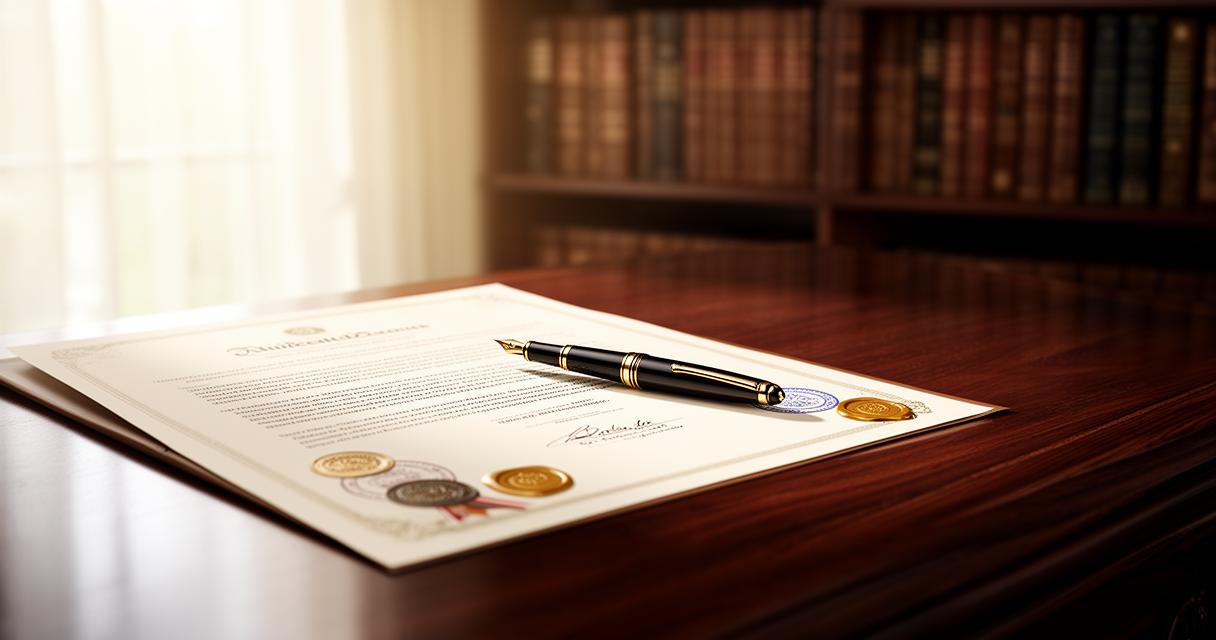
A devolutive certificate is a formal legal document that identifies the rightful heirs of a deceased person and clarifies their respective shares in the estate. It is typically drawn up and issued by a notary, a legal professional trained to handle matters of succession with precision and impartiality. The notary examines the family situation, checks civil status records, and confirms who is entitled to inherit under the law or according to a will, if one exists. This attestation acts almost like a key, unlocking access to the deceased's assets for those who can rightfully claim them.

The Fundamental Purpose of the Devolutive Certificate in Establishing Heirship Rights
The core purpose of this document is to remove any ambiguity about who the heirs actually are. Without it, banks, property registries, and other institutions would have no reliable way of knowing who should receive the deceased's money, property, or belongings. The certificate serves as concrete evidence that a person named within it has a legitimate claim to a portion of the estate. This is particularly important in blended families or situations involving distant relatives, where the line of succession might not be immediately obvious. By laying out each heir's position clearly, the document helps prevent disputes and ensures that everyone's entitlement is properly recognised from the outset.
The Legal Framework and Registration Process for Obtaining a Devolutive Certificate
Step-by-step procedures notaries follow when issuing devolutive attestations
Notaries follow a fairly structured process before they can issue a devolutive certificate. They begin by gathering information about the deceased, including their marital status, any children, and whether a will was left behind. They then verify these details against official records, sometimes consulting a central register that lists wills to ensure nothing has been overlooked. Once satisfied that the picture is complete, the notary draws up the certificate, listing each heir alongside their proportional share of the inheritance. This careful, methodical approach reflects the legal weight the document carries, since it will later be relied upon by financial institutions and other third parties.
Regulatory Requirements and Documentation Needed for Certificate Registration
To register a devolutive certificate, certain documents are generally required, and having these ready can speed up the whole process considerably. Families are usually asked to provide:
- the death certificate of the deceased
- proof of family relationships, such as birth or marriage certificates
- any existing will or testamentary document
- identification documents for each potential heir
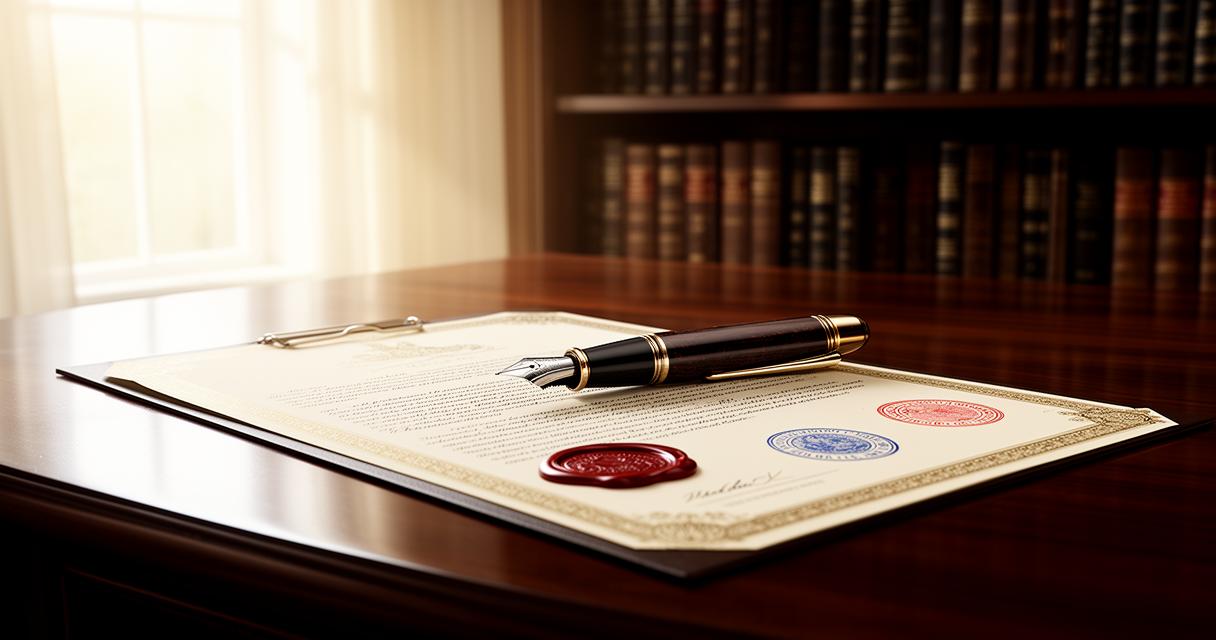
Once the notary has reviewed everything and is confident the information is accurate, the certificate can be formally registered, giving it official standing. This registration step is what transforms the document from a simple draft into a legally binding attestation that others must respect and act upon.
Distinguishing Devolutive Certificates from Succession Certificates: Critical Differences for Claimants

Comparing the Scope and Authority of Devolutive Versus Succession Certificates
It's easy to muddle the devolutive certificate with a succession certificate, but the two serve subtly different functions. A devolutive certificate focuses specifically on determining the identity of heirs and their respective shares, essentially answering the question of who inherits what. A succession certificate, on the other hand, tends to have a broader scope, sometimes covering the wider administration of the estate and the transfer of specific assets, such as banking accounts, shares, or property titles. While the two documents often work hand in hand, the devolutive certificate is generally considered the foundational piece, as it establishes the heirship that the succession process will later act upon.
Potential challenges beneficiaries face without proper devolutive documentation
Without a properly issued devolutive certificate, beneficiaries can run into all sorts of frustrating obstacles. Banks may refuse to release funds from the deceased's accounts, property transfers can stall indefinitely, and disputes among family members are far more likely to arise when there's no clear, official record of who is entitled to what. This can drag out an already emotionally taxing period, sometimes for months or even years, as claimants scramble to gather the necessary proof through other, slower legal channels. Having this certificate in hand not only speeds up the practical side of settling an estate but also brings a sense of certainty and closure, allowing families to honour the deceased's wishes and move forward without unnecessary legal wrangling.